
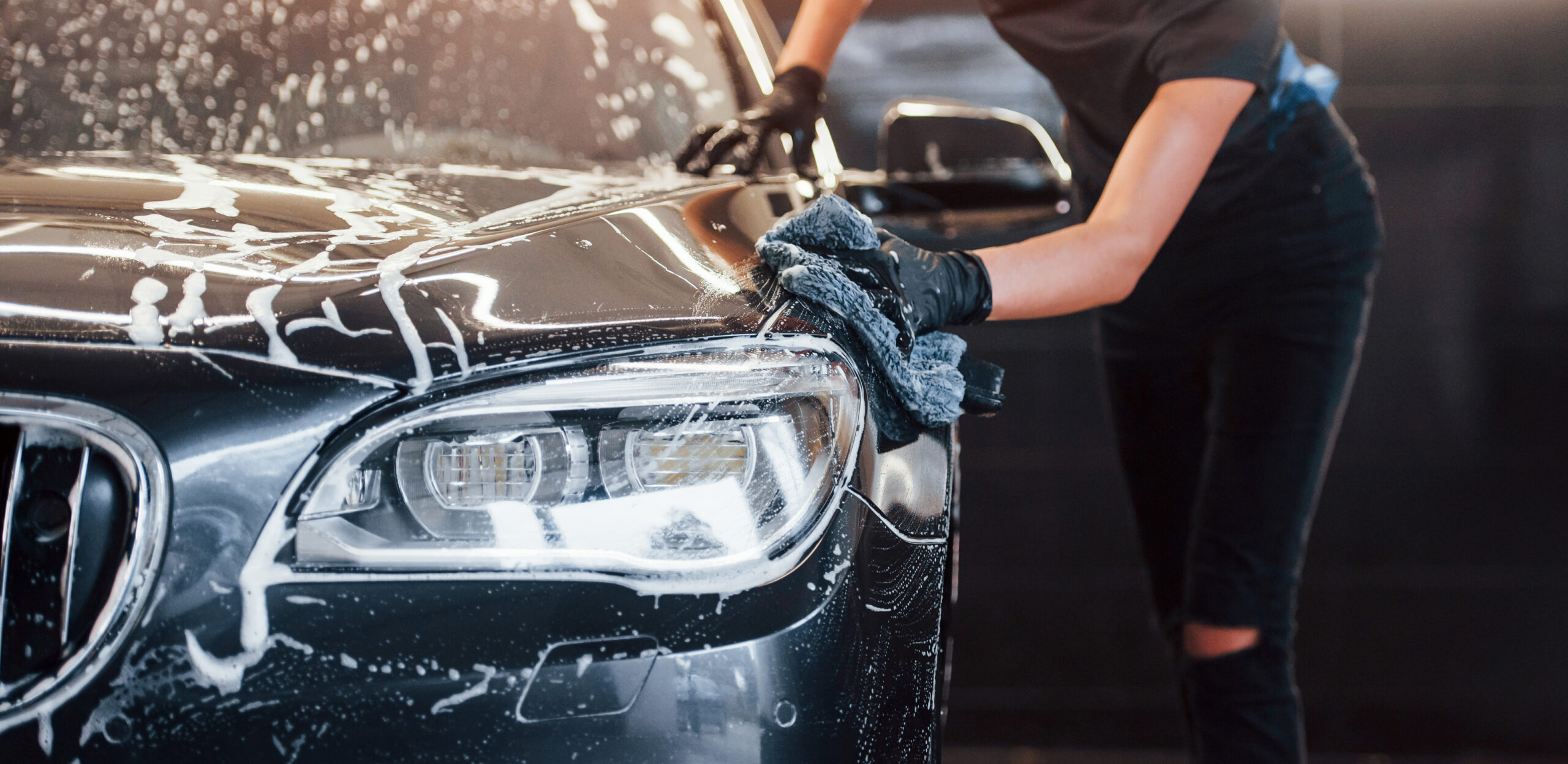
Run your fingertips across the hood of your freshly washed car. If it feels like fine sandpaper instead of glass, you've found the problem a clay bar treatment solves. Washing removes loose dirt, but it leaves behind a layer of contamination that has bonded to the clear coat. In Northeast Florida that layer builds fast, thanks to salt air, pollen, construction dust and traffic film on I-95 and US-1. Here's what clay actually does, how to check your own paint, and when it makes sense to have it done as part of an exterior detail.
A clay bar treatment lifts bonded contaminants off your paint that washing can't remove: tree sap mist, overspray, rail dust, road film and airborne grime. If your clean paint feels gritty under a fingertip, it needs clay. Most Florida cars benefit once or twice a year, and always before wax, sealant or a ceramic coating.
What a Clay Bar Actually Removes
Detailing clay is a soft, pliable polymer compound. Glided over a lubricated surface, it grabs anything sticking up from the paint and pulls it free. It does not cut into the clear coat the way a polish does, so it won't remove swirls or scratches. Its only job is to leave the surface truly clean and smooth.
The contaminants clay targets are the ones a normal wash slides right over:
- Overspray from nearby painting, whether it's a house, a fence or a parking-lot stripe job.
- Tree sap mist, the fine speckle that lands when you park under oaks and pines.
- Industrial fallout and rail dust, tiny metal particles that embed and can later rust into orange specks.
- Road film and tar kicked up on the lower panels.
- Salt and mineral residue, common for cars that live near the beaches or along A1A.
Leave this layer on and it does two things. It dulls the shine because light scatters off a rough surface, and it prevents wax, sealant or coating from bonding directly to the paint.
How to Tell If Your Paint Needs Clay
You don't need special tools to check. The easiest test uses a thin plastic sandwich bag, which exaggerates the texture so you can feel things your bare hand might miss.
Wash and dry the car
Do the test on clean paint, in the shade, with the panels cool to the touch. Dirt on the surface will give you a false result and can scratch.
Put your hand in a plastic bag
Slip a thin sandwich bag over your fingers. The plastic magnifies small bumps.
Glide lightly across the paint
Use almost no pressure. Check the hood, roof, trunk lid and the lower doors behind the wheels, where contamination is usually worst.
Compare what you feel
Smooth like glass means you're fine for now. Gritty, bumpy or draggy means bonded contamination is there and a clay treatment will help.
Other signs: wax that seems to wear off in a few weeks, water that no longer beads, or tiny orange dots on white or silver paint, which are often rusting metal particles.
When Clay Makes the Most Sense
Claying isn't something you do every wash. It's a prep step, and timing it well gets the most out of it.
- Before any wax, sealant or ceramic coating. Protection lasts longer and looks better on a clean surface.
- Before paint correction. Polishing over contamination can drag particles across the paint. That's why every paint correction starts with decontamination.
- After pollen season or a stretch of construction nearby. Both leave stubborn residue behind.
- When you buy a used car. You rarely know how it was cared for.
- Once or twice a year for a daily driver in Northeast Florida, more often if you park outdoors near the coast or under trees.
Brand-new cars often need it too. Vehicles sit on lots and ride on transport trucks, and many arrive with fallout already on the paint. If you're protecting a new car, read our guide on protecting a new car from day one.
Doing It Yourself vs. Having It Done
Clay kits are sold at most auto parts stores, and plenty of owners use them well. The risk is that clay is only gentle when it's used correctly. Without enough lubricant, or with a piece that's picked up grit, it can leave light marring that you'll see in the sun.
- Work on cool paint in the shade, one small section at a time.
- Use plenty of clay lubricant or quick detailer and keep the surface wet.
- Glide in straight lines with light pressure.
- Fold and knead the clay often to expose a clean face.
- Follow the clay kit's label directions.
- Apply wax or sealant afterward, because clay strips old protection.
- Don't clay in direct Florida sun or on a hot hood.
- Don't use plain water or dish soap as lubricant.
- Don't keep using clay you've dropped on the ground. Throw it away.
- Don't scrub in circles or press hard.
- Don't clay glass with the same piece you use on paint.
- Don't expect clay to remove swirls or scratches.
A quick word on clay alternatives. Synthetic clay mitts and clay towels work the same way and are faster on large vehicles, but they follow the same rules: lots of lubricant, light pressure, and a clean surface to start. Chemical iron removers, the sprays that turn purple as they work, dissolve embedded metal particles that clay can miss. Professionals often use both, spraying the iron remover first and then claying what's left. If you try an iron remover at home, rinse it thoroughly, keep it off hot panels and follow the label exactly.
On a sedan, a careful first-time clay job usually takes an hour or more, plus the time to wash beforehand and protect afterward. Trucks, SUVs and vans take longer simply because there's more surface. That time is a big part of why many owners hand the job off.
If you'd rather skip the work, clay decontamination is already built into some of our packages, and it's available as an add-on for others.
How Clay Fits Into Our Packages
Here's where clay shows up across our services, so you can pick the right level without guessing:
| Clay included? | Protection after | |
|---|---|---|
| Standard Detail Package | No (add-on available) | Ceramic-infused wax, about 1–3 months |
| Full Detail Package | Yes | Ceramic sealant, about 3–6 months |
| Prince's Royal Package | Yes, plus iron decontamination | 6-month sealant after 1-step correction |
| Ceramic coating install | Yes, as part of prep | 2-Year, 6-Year or 10+ Year coating |
If you book a Standard Detail and want the paint decontaminated, add Clay Bar Treatment & Ceramic Wax (about 1–3 months of protection), or step up to Ceramic Sealant for 3–6 months. You can see every option on our add-on services page. Exterior add-ons need an exterior detail in the same visit.
For a deeper comparison of what goes on after clay, see ceramic coating vs. wax vs. sealant.
Why Florida Paint Gets Contaminated Faster
Cars in St. Augustine deal with a mix that's hard on paint. Salt air drifts inland from the ocean and the Matanzas River. Spring pollen coats everything yellow. Lovebug seasons, typically late spring and late summer, leave acidic residue. Summer heat bakes all of it onto the clear coat, and afternoon storms spread it around.
Cars parked near St. Augustine Beach or Vilano Beach, or under live oaks in older neighborhoods, usually feel rough sooner than garage-kept cars inland. That doesn't mean you need clay every month. It means the bag test is worth doing every few months, and protection matters more here than in milder climates.
Glass benefits too. Windshields collect the same road film and mineral residue, which is part of why wipers chatter and streak. A separate piece of clay used on the windshield, with plenty of lubricant, can leave it noticeably clearer for night driving on unlit stretches of road.
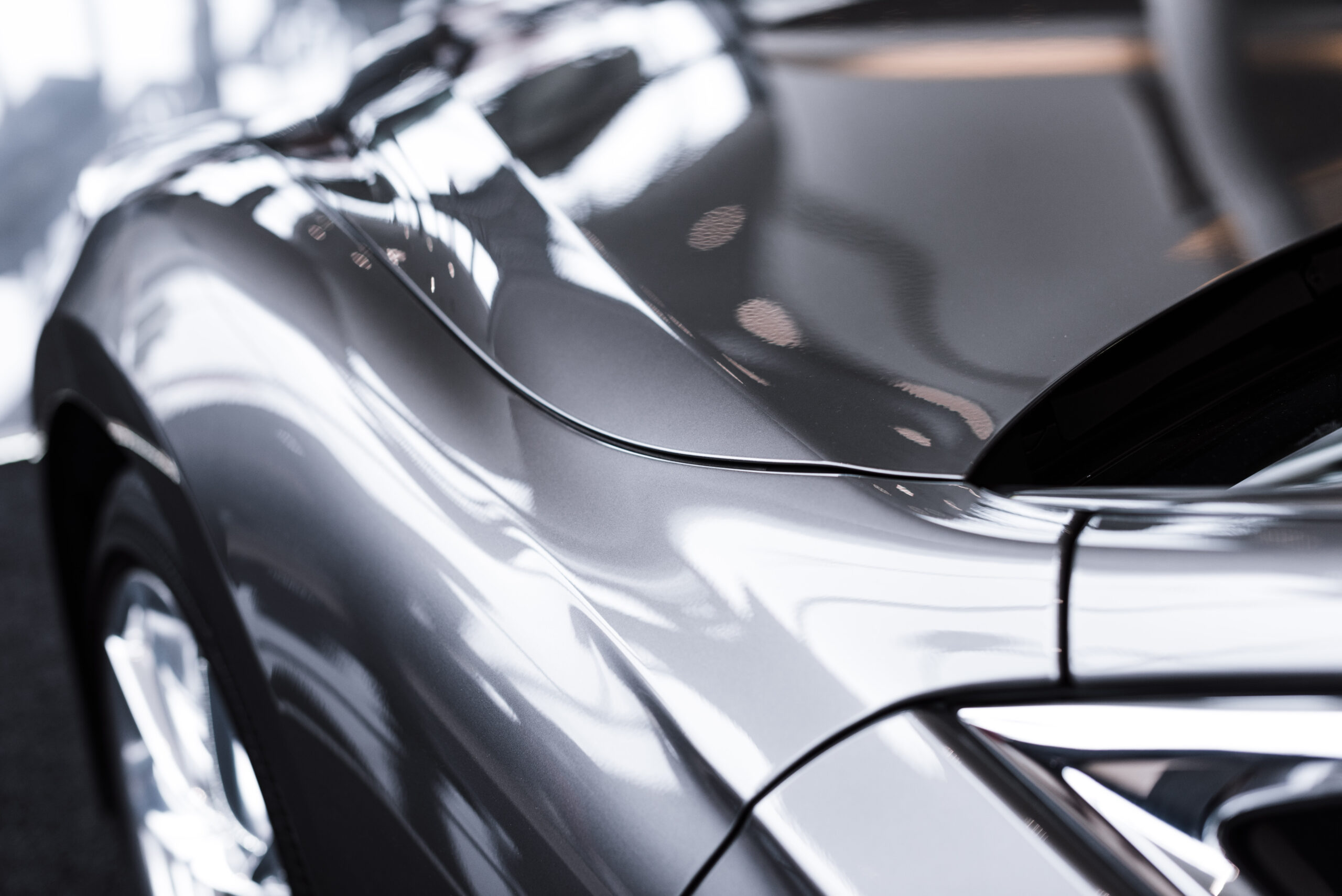
Clay doesn't make paint shine by itself. It makes paint clean enough for everything else to work.
— Prince's Mobile Detailing, St. AugustineWe're 100% mobile and bring our own generator and deionized water, so a clay and protection service happens right in your driveway or office lot. Pick your vehicle and package on our online booking page and you'll see your exact price before you choose a time.
More From the Prince's Mobile Detailing Blog
Frequently Asked Questions
No. Clay removes contaminants sitting on top of the paint. Swirls and scratches are defects in the clear coat itself, and those need machine polishing. See our paint correction service for that.
For most daily drivers in Northeast Florida, once or twice a year is enough. Cars parked near the coast or under trees may need it more often. Do the plastic-bag test every few months to decide.
Yes. Claying removes old wax and sealant along with the contamination, which leaves the paint bare. Apply wax, sealant or a coating afterward to protect it.
Used with plenty of lubricant and light pressure, clay is gentle. It can cause light marring if it's used dry, pressed hard, or used after being dropped. Soft or dark paint shows this most.
In our Full Detail Package and Prince's Royal Package, yes. With the Standard Detail Package, you can add Clay Bar Treatment & Ceramic Wax when you book online.
Smooth, Protected Paint Without the Work
Book a detail with clay decontamination and see your exact price instantly online.
See My Price & Book