
When you invest in a ceramic coating, you’re protecting the paint for years. But what happens when you sell the car, trade it in, or simply want proof the work was done? Most people assume a coating leaves no paper trail beyond a receipt. Whether it shows up on a vehicle history report comes down to one thing: whether your installer reports it. Here’s how that works, why it can matter, and what records you should keep no matter who coats your car.
A ceramic coating shows up on Carfax only if the installer reports it. Many shops don’t. Prince’s Mobile Detailing reports every SystemX ceramic coating installation to Carfax and gives you an official SystemX warranty card, so the work is documented for you and for a future buyer.
How a Coating Ends Up on a Vehicle History Report
Carfax vehicle history reports are built from records that businesses submit: dealers, repair shops, service centers and others. A ceramic coating doesn’t appear automatically just because it was applied. It shows up when the business that installed it reports the service.
That means two cars with identical coatings can have very different paper trails. One has a reported installation tied to its VIN. The other has nothing but a receipt in a glovebox, if that.
- Installation by a SystemX Certified Installer
- Decontamination and paint-correction prep before the coating goes on
- An official SystemX warranty card
- The installation reported to Carfax
We offer 2-Year, 6-Year and 10+ Year (SystemX Max G+) coatings, and the reporting and warranty card come with every level. Details are on our ceramic coating service page.
Why Documentation Matters
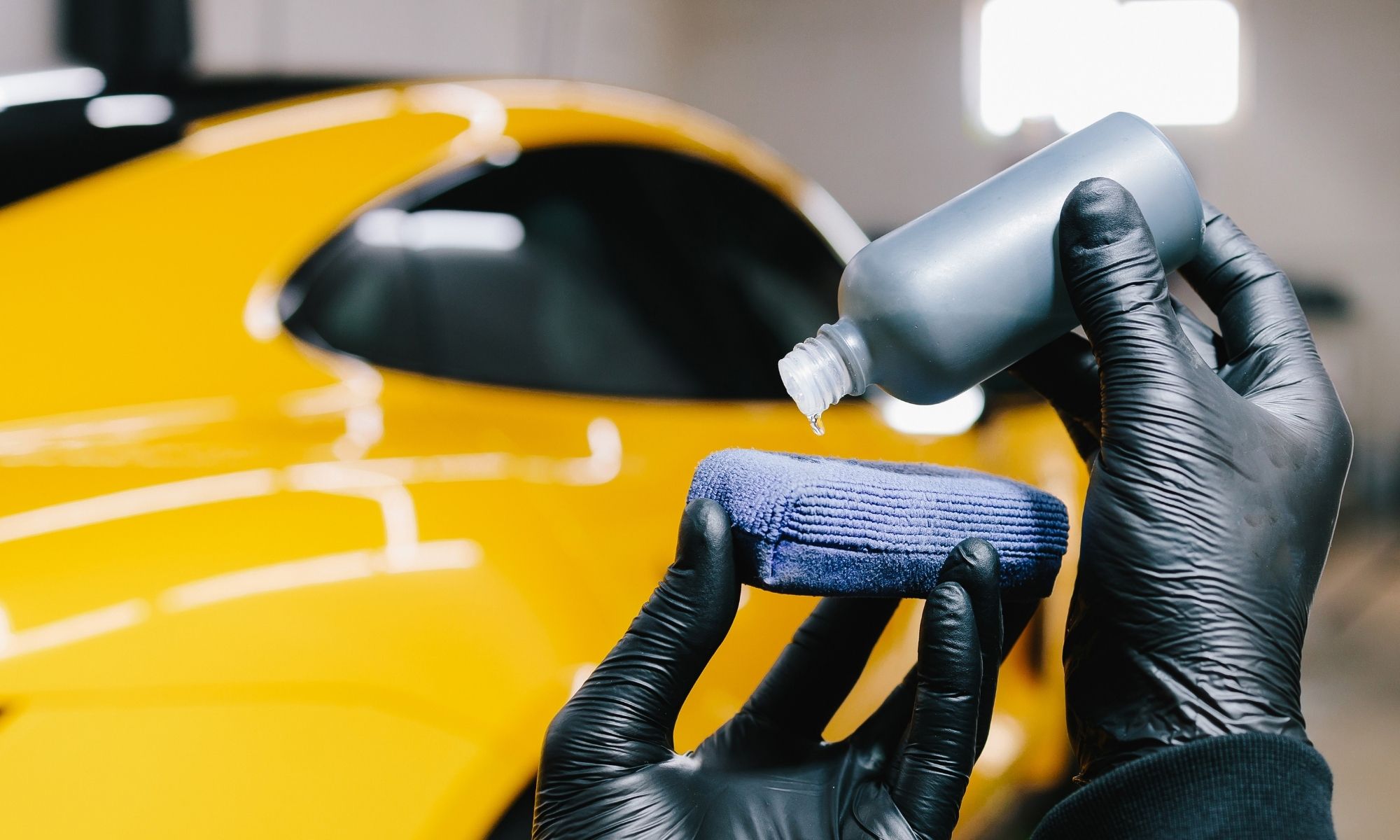
A coating is invisible to most buyers. They may notice the car looks glossy and water beads nicely, but they have no way of knowing if that’s a years-rated coating or a spray wax from last weekend. Documentation closes that gap.
It also matters for you while you own the car. Months or years from now, it’s easy to forget exactly when the coating went on, which level you chose, or who installed it. A reported installation and a warranty card answer those questions without digging through old emails.
When you sell privately
Private buyers often pull a vehicle history report before they show up. A reported coating gives you something concrete to point to when you describe how the car was cared for, alongside the warranty card and your own records.
When you trade in
A documented service history is part of the overall picture of a well-maintained car. We can’t promise any particular trade-in value, since that depends on the dealer and the market, but clean paint and a paper trail never hurt. If you’re getting ready to sell, see detailing before you sell or trade in.
When you need warranty support
Warranty coverage is tied to the coating maker’s terms and your care of the car. Having the official warranty card and a record of the installation date makes any future conversation much simpler.
Questions to Ask Any Coating Installer
Whether you choose us or someone else, these questions help you understand what you’re actually getting.
- Are you certified by the coating manufacturer?
- Which coating product and durability rating will you use?
- Is paint decontamination and correction included in the prep?
- Will I receive a manufacturer warranty card?
- Will you report the installation to Carfax?
- What care instructions should I follow afterward?
For a broader list of questions when choosing any detailer, read 8 questions to ask before hiring a mobile detailer and our guide on how to choose a mobile detailer.
Records You Should Keep Yourself
A vehicle history report is helpful, but it shouldn’t be your only record. Keep a simple file, paper or digital, with everything related to the coating.
Save the warranty card
Store the SystemX warranty card with your title or registration, and take a photo of it as a backup.
Keep the invoice
Note the installation date, the coating level and the vehicle’s mileage at installation.
Log maintenance
Write down maintenance details and decontamination washes. It shows the coating was cared for as directed.
Take before-and-after photos
Photos of the paint after installation help show its condition over time.
If you sell the car, hand this file to the buyer along with the keys. It costs you nothing, and it gives the next owner what they need to keep caring for the coating properly, including the reminder to stay out of tunnel washes. Many buyers appreciate a car that comes with its own care instructions.
What a Future Buyer Actually Sees
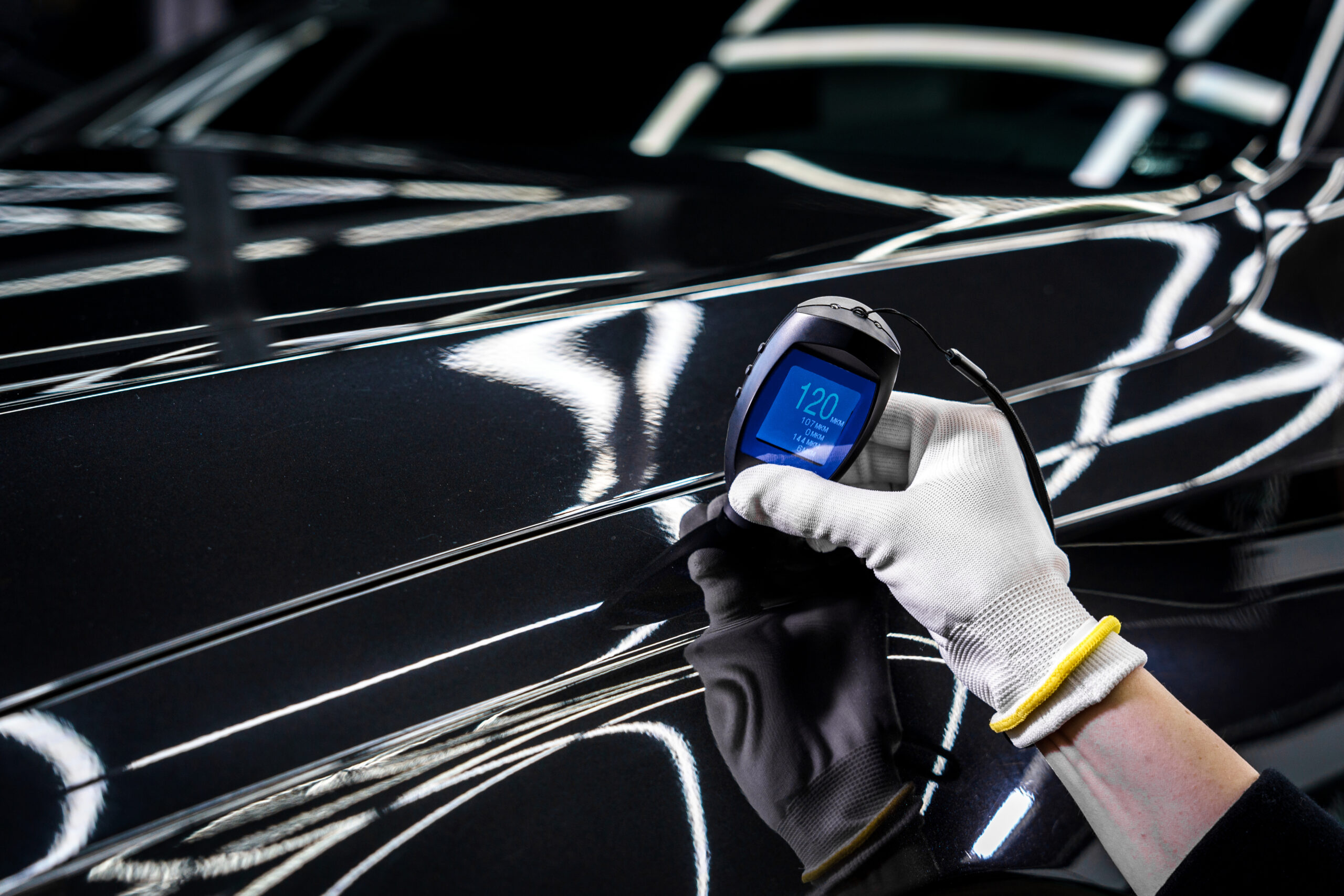
Put yourself in a buyer’s shoes. They pull up a listing, run the VIN, and scroll through the vehicle history. Oil changes, tire rotations, maybe a recall repair. Most cars show nothing about paint care at all. A recorded professional coating stands out because it tells the buyer someone made a deliberate choice to protect the finish.
Then they see the car in person. If the paint has been washed gently and kept out of tunnel washes, it should look like the record suggests: glossy, smooth and beading water. That match between paperwork and condition is what builds trust. A record with neglected paint, on the other hand, doesn’t do much.
This is also why the prep matters. Because every installation includes decontamination and paint-correction prep, the finish that gets locked under the coating is clean and corrected, not swirled. Our post on paint correction explains what that step involves.
For lease and fleet vehicles
If the vehicle is leased or part of a business fleet, a documented coating is still useful as a record of care. For fleets, call us to talk about a business account; leased cars should follow the lease terms, and it’s worth checking with your leasing company before making changes.
Care Is What Keeps the Record Meaningful
A reported coating says the protection was installed. How the paint looks years later depends on how the car was treated in between. In Northeast Florida, that means dealing with summer UV, lovebug seasons, salt air near the beaches and pollen in the spring.
- Wait about 7 days before the first wash
- Hand wash with a pH-neutral soap
- Remove bird droppings and bug residue quickly
- Schedule periodic maintenance details
- Never use automatic tunnel washes
- Don’t use harsh degreasers or household cleaners on paint
- Don’t let lovebug residue bake on for days
- Don’t polish a coated car without asking your installer
Our guide on how to wash a ceramic-coated car covers the full routine.
A coating protects the paint. A reported installation and a warranty card protect the story of how that car was cared for.
— Prince's Mobile Detailing, St. AugustineGetting a Documented Coating in St. Augustine
We install coatings at your home or office anywhere in our service area, using our own generator power and deionized water. When you book online, choose your coating level and see the exact price for your vehicle instantly. Questions? Call (904) 593-9265 for St. Augustine and St. Johns County.
More From the Prince's Mobile Detailing Blog
Frequently Asked Questions
No. It appears only if the installing business reports it. Prince’s Mobile Detailing reports every ceramic coating installation to Carfax.
No one can promise a specific value increase, since that depends on the buyer and market. Well-protected paint and documented care can make a car more appealing to buyers.
With Prince’s, you receive an official SystemX warranty card and the installation is reported to Carfax. Keep your invoice and maintenance notes too.
No. Every coating we install, whether 2-Year, 6-Year or 10+ Year, is reported to Carfax and comes with a warranty card.
That depends on the original installer. Contact the shop that did the work and ask whether they report installations.
Get a Coating That’s on the Record
Choose your SystemX coating level and see the exact price for your vehicle when you book online.
See My Price & Book