
Atlantic hurricane season runs from June 1 to November 30, and anyone who's lived in St. Augustine for a few years knows the routine: water, batteries, shutters, and a long look at the forecast cone. Your car belongs on that list. A few steps before the storm can protect it from flooding and falling limbs, and knowing what to do afterward keeps you safe and protects an insurance claim. This guide covers both, plus how a full detail fits into cleanup once it's safe.
Before a hurricane, park on high ground away from trees, fill the tank, photograph your car and keep documents in a waterproof bag. Never drive through floodwater. After the storm, if water reached the interior or engine, don't start the car: call your insurer and have a mechanic inspect it first. Otherwise rinse debris off before washing.
Before the Storm: Getting Your Car Ready
Start prepping your car when you start prepping your house. Gas lines get long and stations can run out once a storm is close, so don't leave it to the last day.
- Fill the gas tank, or charge an EV fully, in case of evacuation and power outages.
- Check tires, including the spare, and replace worn wiper blades.
- Take clear photos and video of every side of the car, inside and out, including the odometer.
- Put your registration, insurance card and policy information in a waterproof bag.
- Remove valuables and important papers from the car.
- Keep an emergency kit: water, phone charger, flashlight, first aid and a few days of medications.
- Know your evacuation zone and route ahead of time.
Those photos are more useful than they sound. If your car is damaged, clear before-and-after pictures make it easier to document the claim with your insurance company.
Where to park
Where your car spends the storm matters more than almost anything else. A garage is best. If you don't have one, choose the highest ground you can safely reach, away from trees, power lines and anything that can blow loose. Low spots in parking lots, the bottom of a sloped driveway and spaces near drainage ditches are the first to flood.
Coastal areas like Anastasia Island, Vilano Beach and neighborhoods near the Matanzas and St. Johns rivers can see storm surge and tidal flooding. Follow local emergency guidance, and if your area is told to evacuate, take your car with you if it's safe to drive and leave early.
What about car covers? In strong, gusty winds a loose cover can whip against the paint and scratch it, or tear free and become flying debris, so many owners leave it off for a hurricane. If you park in a garage, check that nothing on the shelves or walls can fall onto the car, and unplug any battery tender or charger if a power surge or flooding is possible. A few minutes moving bikes, ladders and lawn tools away from the car can save you a dented panel.
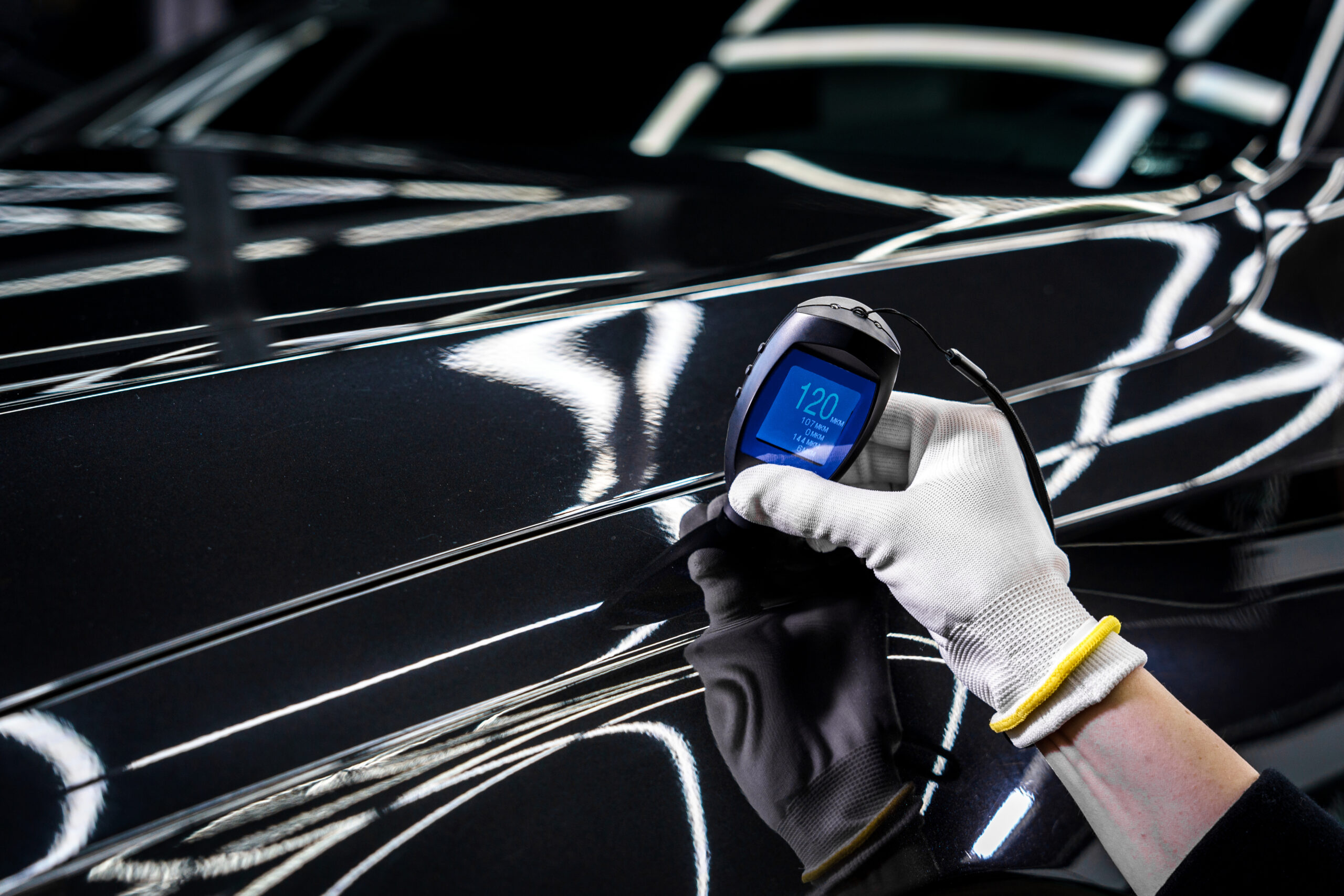
Never Drive Through Floodwater
This is the single most important rule in this post. Don't drive through flooded roads, no matter how shallow the water looks or how well you know the road. Moving water can push a car off the road, the pavement underneath may be washed out, and water can stall the engine and leave you stranded in rising water. The National Weather Service's advice is simple: turn around, don't drown.
- Turn around when you see water over the road. Find another route or wait.
- Don't walk through floodwater. It can hide debris, open drains and downed power lines.
- Stay off the roads during and right after the storm unless you're told to evacuate. Emergency crews need clear streets.
- Follow official instructions from St. Johns County and local emergency management.
If Your Car Took On Water
Flood damage is a mechanical and safety problem first, and a cleaning problem second. If floodwater reached the floor of the cabin, the engine or the exhaust, follow this order:
Don't start the car
Water in the engine, fuel system or electrical system can cause serious damage the moment you turn the key. Leave it off.
Photograph everything
Document the water line inside and out, wet carpet and any debris before anything is moved or cleaned.
Call your insurance company
Report the damage and ask how they want to proceed. Many policies require an adjuster to see the car before repairs or cleanup.
Have a mechanic inspect it
Have the car towed to a qualified shop to check the engine, transmission, brakes, electronics and airbag systems before it's driven.
Clean only after that
Once your insurer and mechanic have cleared it, interior cleaning can address what's left.
Floodwater can carry sewage, chemicals and debris. Wet carpet padding and upholstery in Florida heat can grow mold quickly. A detailer can clean surfaces, but we can't make a flood-damaged car mechanically safe, and some flood-soaked interiors need parts replaced rather than cleaned. If you notice mold, get professional help, and talk to a doctor about any health concerns. Our guide to mold and mildew in your car has more.
Cleaning Up After a Storm (No Flooding)
Most cars come through a storm without water inside, but covered in leaves, twigs, sand, salt spray and a grimy film. That mix is abrasive, so how you clean it matters.
- Wait until roads and power lines are safe before working outside.
- Pick off large debris by hand first, carefully.
- Rinse the whole car thoroughly before touching the paint.
- Clear leaves from the cowl below the windshield and around the sunroof drains.
- Check for dents, cracked glass and damaged lights, and photograph them for your insurer.
- Don't wipe off storm grime with a dry towel. It's full of grit.
- Don't run wipers over a debris-covered windshield.
- Don't use household cleaners or mix chemicals.
- Don't ignore a musty smell inside. It may mean water got in.
Clogged cowl and sunroof drains are easy to miss and can send rainwater into the cabin during the next storm, so take a minute to clear them with the engine off and cool. Salt spray reaches farther inland during a hurricane than on a normal day, so even cars miles from the beach benefit from a thorough wash. Our guide to salt air and your car explains why.
Tree sap and bird droppings often come along with fallen limbs. If you find them on your paint, remove them soon, since Florida heat makes both harder to get off. See removing tree sap and bird droppings.
A Post-Storm Reset With a Mobile Detail
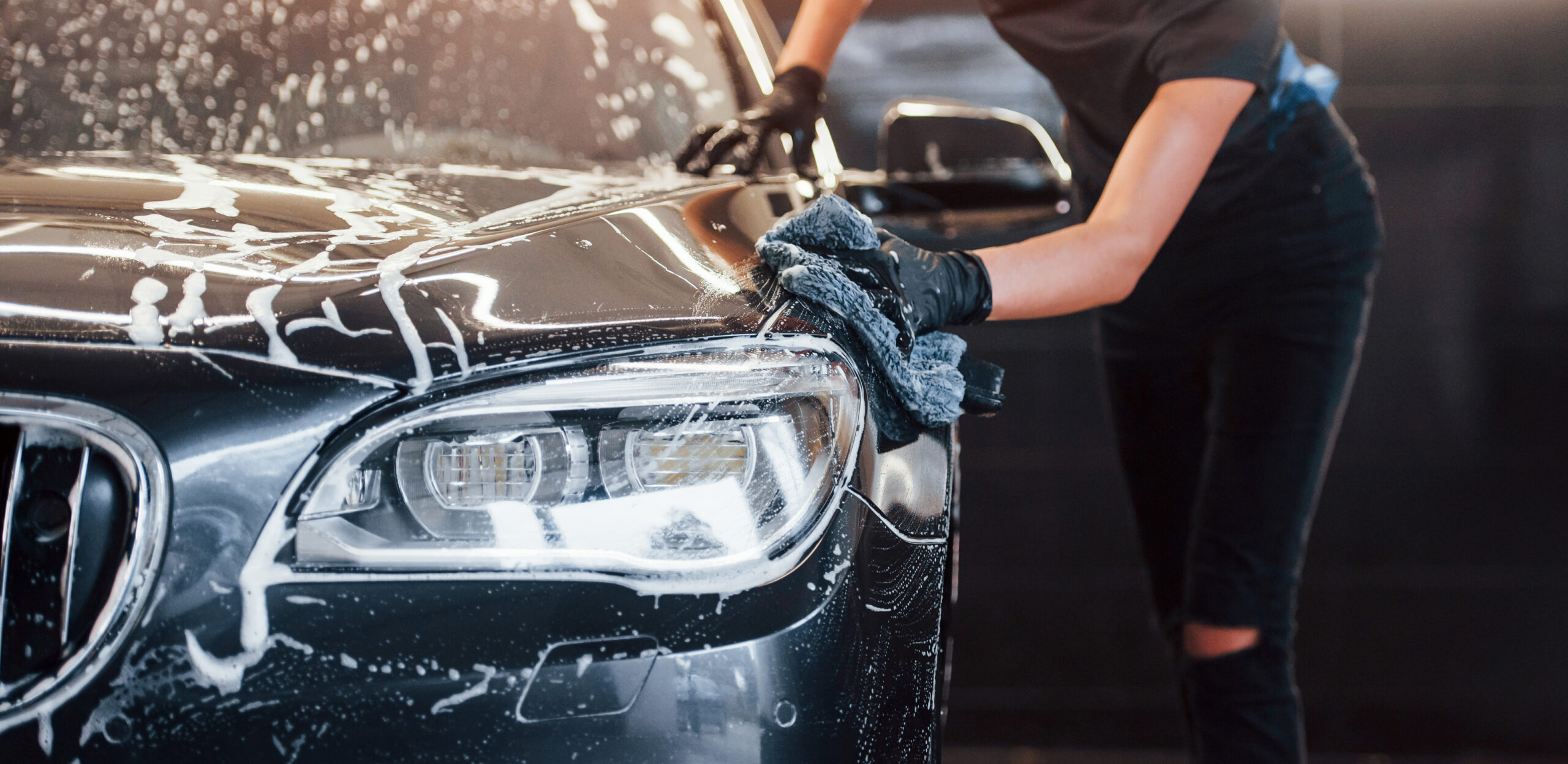
Once roads are clear and life is settling back down, a full detail is a good way to reset a car that's been through a storm. It's also one less errand at a time when car washes may be closed or crowded.
Our Full Detail Package covers the inside and out: spot-free foam hand wash with deionized water, wheels and jambs, clay bar decontamination to pull off bonded grime and salt, ceramic sealant for 3–6 months of protection, plus hot-water extraction of seats and floors, vents blown out and interior panels protected. If odors linger from a damp week with the windows closed and the power out, the Ultimate Odor Elimination Treatment add-on uses ClO2 to destroy mildew and other odors. For flood-damaged vehicles, we'll only work on them after your insurer and mechanic have weighed in.
A car can be replaced and a car can be cleaned. Your safety comes first, then the insurance call, then the cleanup.
— Prince's Mobile Detailing, St. AugustineWe bring our own generator and water, which helps when power and water service are still being restored in your neighborhood. We serve St. Augustine and nearby areas including St. Augustine Shores and the beaches. When you're ready, pick your vehicle and package on our booking page to see your exact price, or call (904) 593-9265.
More From the Prince's Mobile Detailing Blog
Frequently Asked Questions
A garage is best. Otherwise choose the highest ground you can safely reach, away from trees, power lines and low spots that flood. Follow local evacuation orders and leave early if you're told to go.
No. Never drive through floodwater. It can sweep a car away, hide washed-out pavement and stall your engine. Turn around and find another route or wait.
Don't start it. Photograph the damage, call your insurance company, and have the car towed to a mechanic for inspection. Cleaning comes only after your insurer and mechanic have weighed in.
A detailer can clean surfaces once the car has been inspected, but can't repair mechanical or electrical flood damage or guarantee a soaked interior is salvageable. Your insurer and a mechanic should decide the next steps first.
Remove large debris by hand, rinse thoroughly to float off grit, then hand wash with a pH-balanced car shampoo. Never wipe storm grime off dry. A full detail handles it inside and out.
Reset Your Car After the Storm
When it's safe, book a full mobile detail and see your exact price instantly online.
See My Price & Book